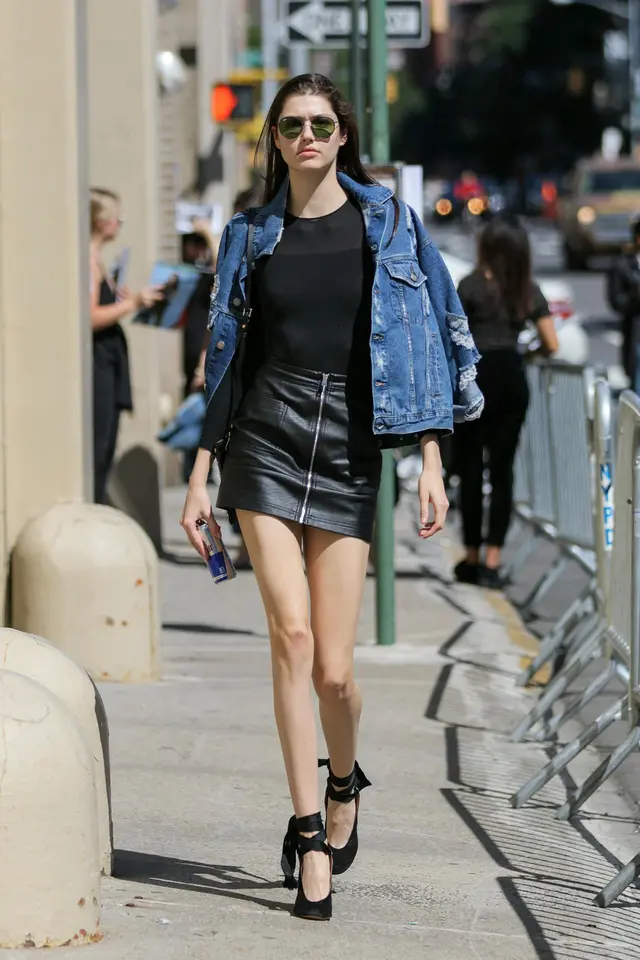
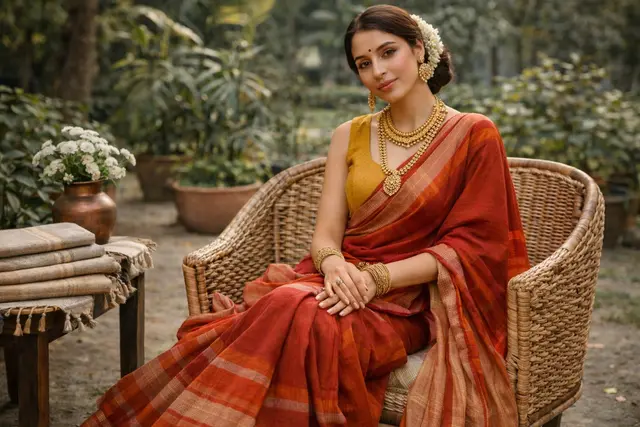
How to Find Your Personal Style: A Step-by-Step Guide

Table of contents
- Step 1: Look at what you already love
- Step 2: Notice what you never wear
- Step 3: Collect inspiration
- Step 4: Describe your style in three words
- Step 5: Understand your lifestyle
- Step 6: Know your best colours and silhouettes
- Colours
- Silhouettes
- Step 7: Build a small core wardrobe
- Step 8: Add a signature detail
- Step 9: Experiment — and keep notes
- Common mistakes to avoid
- Final thoughts
Have you ever stood in front of a full wardrobe and felt you had nothing to wear? Usually the problem is not the number of clothes — it is that they don’t add up to a clear personal style. Personal style is simply knowing what makes you look and feel like yourself, and buying and dressing with that in mind.
The good news: you don’t need to be a fashion expert to find it. Follow these steps and you’ll shop less, get ready faster and feel more confident every day.
Step 1: Look at what you already love
Open your wardrobe and pull out the 10 pieces you wear most often and feel best in. Lay them on the bed and look for patterns:
- Are they mostly neutral or colourful?
- Fitted or relaxed?
- Ethnic, western or a mix of both?
- Plain fabrics or prints?
These favourites are clues. They show what you naturally reach for when you want to feel good.
Step 2: Notice what you never wear
Now do the opposite. Find the clothes that still have tags on them, or that you’ve worn once. Ask honestly why: wrong fit, uncomfortable fabric, a trend that never felt like you, or something bought only because it was on sale? Avoiding these mistakes is half of finding your style.
Step 3: Collect inspiration
Create a Pinterest board or a folder on your phone and save outfits you love for two weeks — from Instagram, movies, celebrities, or people you see on the street. Don’t think too much; just save. At the end, scroll through and you’ll see repeated colours, shapes and moods.
Step 4: Describe your style in three words
This is the most useful trick in this guide. Choose three words that describe how you want to look and feel. For example:
- “Classic, polished, feminine”
- “Relaxed, earthy, comfortable”
- “Bold, modern, playful”
- “Traditional, elegant, colourful”
Before you buy anything, ask: does this match my three words? If not, leave it.
Step 5: Understand your lifestyle
Your style has to work for your real life. A college student in Pune, a working professional in Mumbai and a homemaker in Surat need different wardrobes. Write down how you spend a typical week — office, college, home, events, travel — and roughly what percentage of time each takes. Then make sure most of your clothes serve the activities that take most of your time.
Step 6: Know your best colours and silhouettes
Colours
Hold different coloured clothes near your face in daylight. Some will make your skin look brighter and fresher; others will make you look tired. Many Indian skin tones glow in jewel tones, warm earthy shades, maroon, mustard and emerald, but trust your own mirror test.
Silhouettes
Notice which shapes make you feel comfortable and confident. If you love defining your waist, choose belted dresses, fit-and-flare kurtas and high-waist trousers. If you prefer relaxed fits, try straight kurtas, wide-leg pants and oversized shirts — balanced with one fitted piece.
Step 7: Build a small core wardrobe
Once you know your style, build a base of versatile pieces that match it. For many Indian women this could include:
- A few well-fitted kurtas in solid colours
- Straight pants, palazzos and a pair of good jeans
- White and black tops or shirts
- One elegant saree and one festive outfit you love
- Neutral flats, juttis or sneakers, and one pair of heels
- A dupatta or stole in a statement print
From this base you can add trends that fit your three words, instead of chasing every trend.
Step 8: Add a signature detail
People with strong personal style often have a signature: oxidised silver jewellery, a red lip, block-print fabrics, big earrings, a particular watch or always wearing a bindi. A signature makes even simple outfits look intentional and memorable.
Step 9: Experiment — and keep notes
Style evolves. Try one new thing each month: a colour, a way of draping a dupatta, a new silhouette. Take a mirror photo of outfits you love so you can repeat them on busy mornings. Over time you’ll have your own personal lookbook.
Common mistakes to avoid
- Copying influencers exactly: take inspiration, but adapt it to your body, budget and climate.
- Buying for a “future” body or lifestyle: dress the person you are today.
- Ignoring fit: a little tailoring makes simple clothes look premium.
- Too many trends at once: one trend per outfit is enough.
Final thoughts
Personal style is not about rules; it is about knowing yourself. Start with what you already love, describe it in three words, dress for your real life and add trends slowly. Within a few months, getting dressed will feel easier — and your wardrobe will finally feel like you.

Chirag
Writer at Dial N Fashion, covering Indian ethnic wear, street style and everyday fashion.