
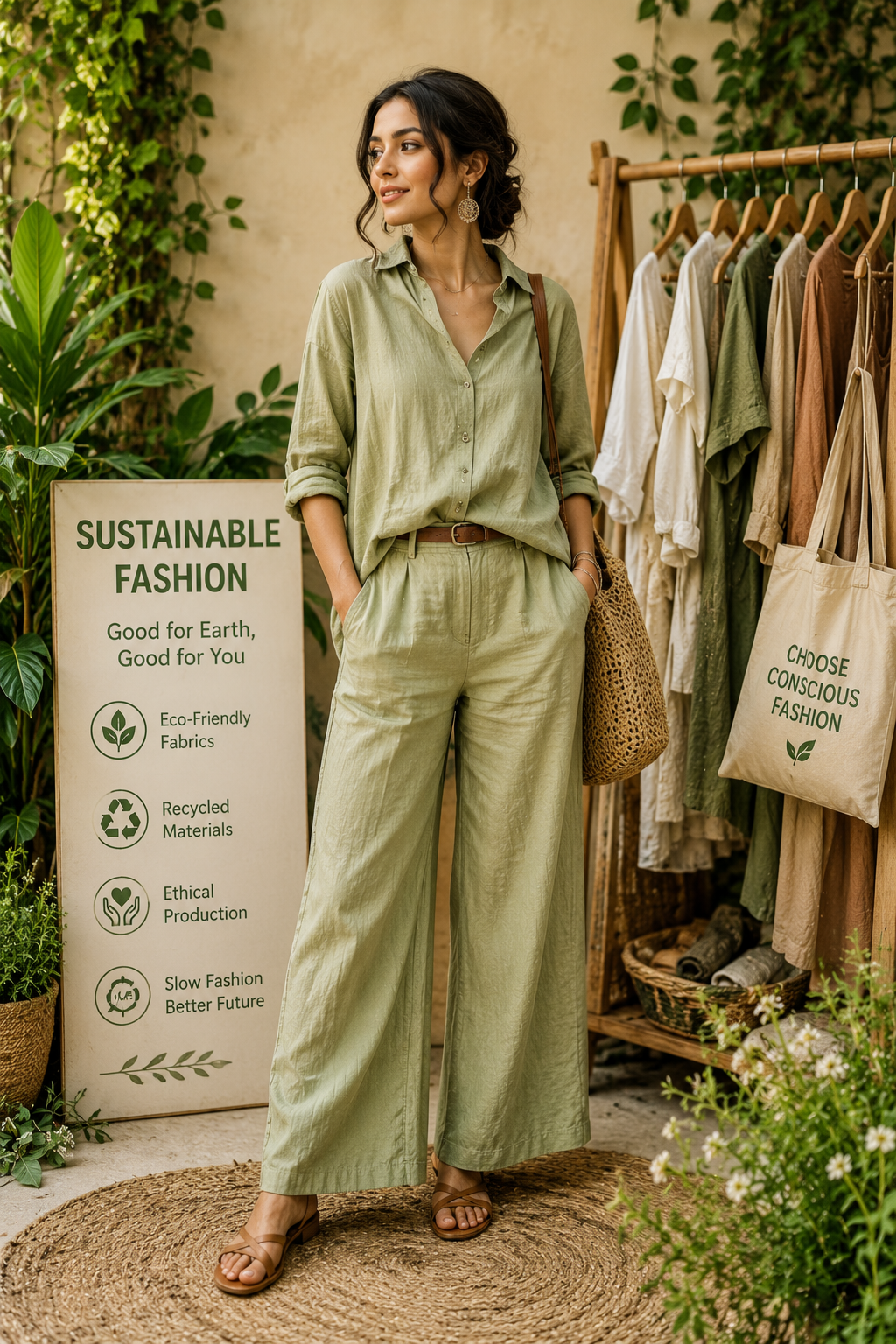
Fashion is evolving, and sustainability has become one of the most powerful movements shaping the industry today. Consumers are becoming more conscious about how their clothing is made, where materials come from, and the environmental impact of fast fashion. As a result, eco-friendly fashion is no longer just a trend — it is a lifestyle choice that combines style, responsibility, and innovation.
Sustainable fashion focuses on creating clothing that is environmentally friendly, ethically produced, and designed to last longer. From organic fabrics and recycled materials to timeless designs and ethical manufacturing, modern fashion lovers are embracing styles that look beautiful while protecting the planet.
What Is Sustainable Fashion?
Sustainable fashion refers to clothing, accessories, and footwear created with minimal environmental impact and ethical production practices. It encourages responsible consumption and promotes quality over quantity.
Eco-friendly fashion includes:
- Organic and natural fabrics
- Recycled and upcycled materials
- Ethical labor practices
- Slow fashion and timeless designs
- Reduced waste and pollution
The goal is to create stylish fashion choices without harming the environment or exploiting workers.
Why Sustainable Fashion Matters
The fashion industry is one of the largest contributors to pollution worldwide. Fast fashion often leads to excessive waste, water pollution, and overproduction. Sustainable fashion helps reduce these environmental challenges while promoting mindful shopping habits.
Benefits of eco-friendly fashion include:
- Reduced environmental impact
- Better quality and durability
- Ethical treatment of workers
- Lower textile waste
- Support for local artisans and craftsmanship
Choosing sustainable clothing helps create a healthier future for both people and the planet.
Organic Fabrics Are Leading the Trend
One of the biggest shifts in eco-friendly fashion is the use of organic and natural fabrics. These materials are produced without harmful chemicals and require less water during manufacturing.
Popular sustainable fabrics include:
- Organic cotton
- Linen
- Hemp
- Bamboo fabric
- Recycled polyester
- Khadi and handwoven textiles
These fabrics are breathable, comfortable, durable, and stylish for everyday wear.
Slow Fashion Is Replacing Fast Fashion
Slow fashion encourages consumers to invest in timeless, high-quality pieces instead of constantly buying trendy clothing that quickly goes out of style.
Rather than purchasing large quantities of inexpensive fashion, people are now choosing:
- Versatile wardrobe essentials
- Classic silhouettes
- Durable fabrics
- Multi-purpose outfits
This approach reduces waste while helping consumers build elegant and long-lasting wardrobes.
Ethnic Fashion and Sustainability
Traditional Indian fashion naturally supports sustainability in many ways. Handcrafted sarees, embroidered salwar suits, and artisan-made lehengas often involve local craftsmanship and sustainable techniques.
Handloom sarees, block printing, natural dyeing, and handcrafted embroidery are gaining popularity among fashion-conscious buyers who value authenticity and eco-friendly production.
Sustainable ethnic fashion combines culture, elegance, and environmental responsibility beautifully.
Upcycled and Recycled Fashion Trends
Recycling and upcycling are transforming old clothing into fashionable new designs. Designers are now using leftover fabrics, vintage garments, and recycled textiles to create stylish collections.
Popular recycled fashion trends include:
- Patchwork denim
- Reworked jackets
- Upcycled saree gowns
- Recycled accessories
- Handmade tote bags
Upcycling not only reduces waste but also creates unique fashion pieces with individuality and character.
Minimalist Fashion Is Becoming More Popular
Minimalism is closely connected to sustainable fashion. Neutral colors, timeless cuts, and versatile outfits allow people to create multiple looks with fewer clothing items.
A minimalist wardrobe often includes:
- Basic tops and shirts
- Neutral-toned dresses
- Classic denim
- Comfortable footwear
- Elegant accessories
This style promotes mindful shopping while maintaining sophistication and elegance.
Sustainable Accessories Complete the Look
Eco-friendly fashion is not limited to clothing. Accessories made from recycled materials, vegan leather, natural fibers, and handmade craftsmanship are also becoming highly popular.
Trending sustainable accessories include:
- Handmade jewelry
- Organic cotton bags
- Recycled sunglasses
- Bamboo watches
- Vegan handbags
These stylish accessories help complete fashionable looks responsibly.
Fashion Brands Are Going Green
Many fashion brands are now embracing sustainable practices by reducing waste, using eco-friendly packaging, and supporting ethical manufacturing.
Consumers are increasingly supporting brands that prioritize:
- Transparency
- Ethical sourcing
- Fair wages
- Sustainable production methods
- Environmentally safe materials
Sustainability is becoming a major factor influencing fashion purchasing decisions worldwide.
Final Thoughts
Sustainable fashion proves that style and responsibility can go hand in hand. Eco-friendly trends are transforming the fashion industry by encouraging mindful shopping, ethical production, and timeless design choices.
From organic fabrics and handcrafted ethnic wear to recycled fashion and minimalist wardrobes, sustainable style offers endless possibilities for looking fashionable while protecting the environment.
Choosing eco-friendly fashion is not just about following a trend — it is about creating a positive impact through the clothes we wear every day.
