Beyond the Runway: Inside the Daily Life of a Fashion Designer
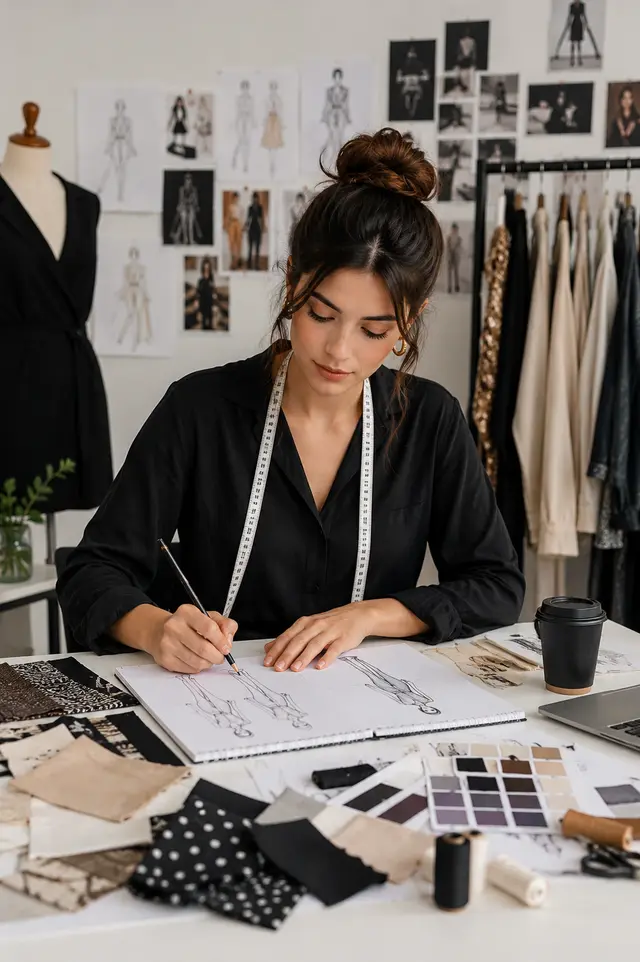
Table of contents
- The Early Start: Inspiration Never Sleeps
- Sketching New Ideas
- Choosing Fabrics and Materials
- Meetings and Creative Collaboration
- Pattern Making and Sample Development
- Fittings and Styling Sessions
- Managing Deadlines and Pressure
- Fashion Designers as Business Owners
- The Role of Social Media
- Sustainable Fashion Challenges
- The Emotional Side of Fashion Design
- Myths About Fashion Designers
- Final Thoughts
Fashion designers are often seen through the glamorous lens of runway shows, celebrity styling, and luxury collections. From the outside, the industry appears filled with creativity, fame, and flawless fashion moments. But behind every stunning outfit and successful collection lies an intense world of hard work, deadlines, creativity, and dedication.
The life of a fashion designer is far more than sketching beautiful dresses. It is a fast-paced journey that combines art, business, problem-solving, innovation, and passion. Every stitch, fabric choice, and design detail tells a story carefully crafted behind the scenes.
Let’s step inside the world of fashion design and explore what a typical day in the life of a designer truly looks like.
The Early Start: Inspiration Never Sleeps
For most designers, the day begins long before stepping into the studio. Inspiration can come from anywhere — architecture, nature, street fashion, music, films, social media, or even everyday conversations.
Designers constantly observe:
- Fashion trends
- Fabric textures
- Color palettes
- Cultural influences
- Street style
- Consumer preferences
Creativity is not limited to working hours. Fashion designers train their minds to notice beauty and inspiration everywhere around them.
Many begin their mornings by reviewing mood boards, trend forecasts, fashion magazines, or runway collections from global fashion capitals like Paris, Milan, London, and New York.
Sketching New Ideas
One of the most iconic parts of a designer’s life is sketching concepts. This stage transforms inspiration into visual ideas.
Fashion sketches may include:
- Clothing silhouettes
- Fabric concepts
- Color combinations
- Embroidery details
- Accessory ideas
Some designers still prefer traditional hand-drawn sketches, while others use digital design software for faster visualization.
This process requires both creativity and technical understanding because designs must eventually become wearable garments.
Choosing Fabrics and Materials
Fabric selection is one of the most important parts of fashion design. The same design can look completely different depending on the material used.
Designers carefully choose fabrics based on:
- Texture
- Comfort
- Durability
- Movement
- Season
- Color compatibility
Popular fabrics include:
- Cotton
- Silk
- Denim
- Linen
- Satin
- Leather
- Wool
Many designers spend hours visiting textile markets, fabric suppliers, or sourcing sustainable materials for upcoming collections.
Meetings and Creative Collaboration
Fashion is rarely a one-person job. Designers constantly collaborate with:
- Tailors
- Pattern makers
- Stylists
- Photographers
- Marketing teams
- Fashion buyers
- Production managers
Team meetings often focus on:
- Collection progress
- Production timelines
- Design approvals
- Photoshoot planning
- Fashion campaigns
- Trend research
Strong communication and teamwork are essential in the fashion industry.
Pattern Making and Sample Development
Once designs are finalized, they move into technical development.
Pattern makers transform sketches into garment templates, while sample makers create the first physical version of the design.
This stage involves:
- Measurements
- Fabric cutting
- Sewing
- Fittings
- Adjustments
The first sample is rarely perfect. Designers often revise designs multiple times before approving the final version.
Attention to detail is critical because even small adjustments can dramatically improve fit and appearance.
Fittings and Styling Sessions
Fittings are one of the busiest parts of a designer’s day. Models or clients try on garments while designers evaluate:
- Fit
- Comfort
- Proportions
- Movement
- Overall appearance
Designers make quick decisions during fittings, often adjusting:
- Hem lengths
- Sleeve fitting
- Waist shaping
- Fabric draping
- Color coordination
Styling sessions may also include selecting shoes, accessories, bags, makeup, and hairstyles to complete the final look.
Managing Deadlines and Pressure
Behind the glamorous image of fashion lies constant pressure. Designers often work under strict deadlines for:
- Fashion weeks
- Seasonal collections
- Client orders
- Brand launches
- Photoshoots
- Social media campaigns
The industry moves extremely fast, and trends can change overnight. Successful designers must balance creativity with time management and business efficiency.
Long working hours are common, especially before major fashion events or collection launches.
Fashion Designers as Business Owners
Modern designers are not just artists — they are entrepreneurs. Running a fashion brand involves understanding:
- Marketing
- Branding
- Customer behavior
- Social media
- Production costs
- E-commerce
- Retail strategy
Many designers personally oversee:
- Instagram campaigns
- Website aesthetics
- Product packaging
- Influencer collaborations
- Fashion content creation
The ability to combine creativity with business skills is what often separates successful designers from the rest.
The Role of Social Media
Social media has completely changed the fashion industry. Platforms like Instagram, Pinterest, and TikTok now influence trends faster than traditional fashion magazines.
Designers use social media for:
- Showcasing collections
- Building personal brands
- Connecting with audiences
- Promoting campaigns
- Trend analysis
Today, visibility online is almost as important as talent itself.
Sustainable Fashion Challenges
Modern designers are increasingly focusing on sustainable fashion practices.
This includes:
- Ethical production
- Eco-friendly fabrics
- Reducing fashion waste
- Slow fashion concepts
- Responsible sourcing
Consumers today care more about sustainability, pushing designers to create fashion responsibly without sacrificing creativity.
The Emotional Side of Fashion Design
Fashion design is deeply emotional because designers pour personal vision and creativity into their work.
Every collection represents:
- Inspiration
- Storytelling
- Artistic expression
- Hard work
- Risk-taking
Designers experience both excitement and pressure throughout the creative process. Seeing their ideas come to life on a runway or worn by customers often becomes the most rewarding part of the journey.
Myths About Fashion Designers
Many people assume fashion design is always glamorous, but reality is much more demanding.
Common misconceptions:
- Designers only sketch clothes
- Fashion work is easy
- Success happens instantly
- The industry is always luxurious
In reality, fashion design requires discipline, patience, technical skills, creativity, and resilience.
Final Thoughts
The world behind the seams is filled with passion, precision, creativity, and endless dedication. Fashion designers work tirelessly to transform ideas into wearable art while balancing creativity with the demands of a fast-moving industry.
From sketching concepts and sourcing fabrics to fittings, branding, and runway preparation, every day in a designer’s life is a blend of artistry and hard work. While the final designs may appear effortless on the runway, the journey behind them is anything but simple.
Fashion is more than clothing — it is storytelling through fabric, color, and imagination. And behind every unforgettable design is a creator working passionately behind the scenes to bring vision to life.

Chirag
Writer at Dial N Fashion, covering Indian ethnic wear, street style and everyday fashion.